If you’ve been paying attention to the real estate headlines lately, you’ve likely noticed a shift: more buyers are walking away from transactions, even after going under contract. According to Redfin, roughly 56,000 home purchase agreements were canceled in one recent month. This figure, which represents about 15.1% of all homes that went into contract that month, is the highest since 2017. It’s a notable trend, but it doesn’t tell the full story, especially at the local level.
In Los Angeles, cancellation rates have actually edged down slightly compared to last year. More importantly, the primary reason deals fall apart is something sellers can often get ahead of with the right preparation. The biggest sticking point in our current market is the home inspection. In a recent survey of agents, over 70% said inspection or repair issues were the main reason transactions fell through. This is well ahead of financing or buyers needing to sell their current home.
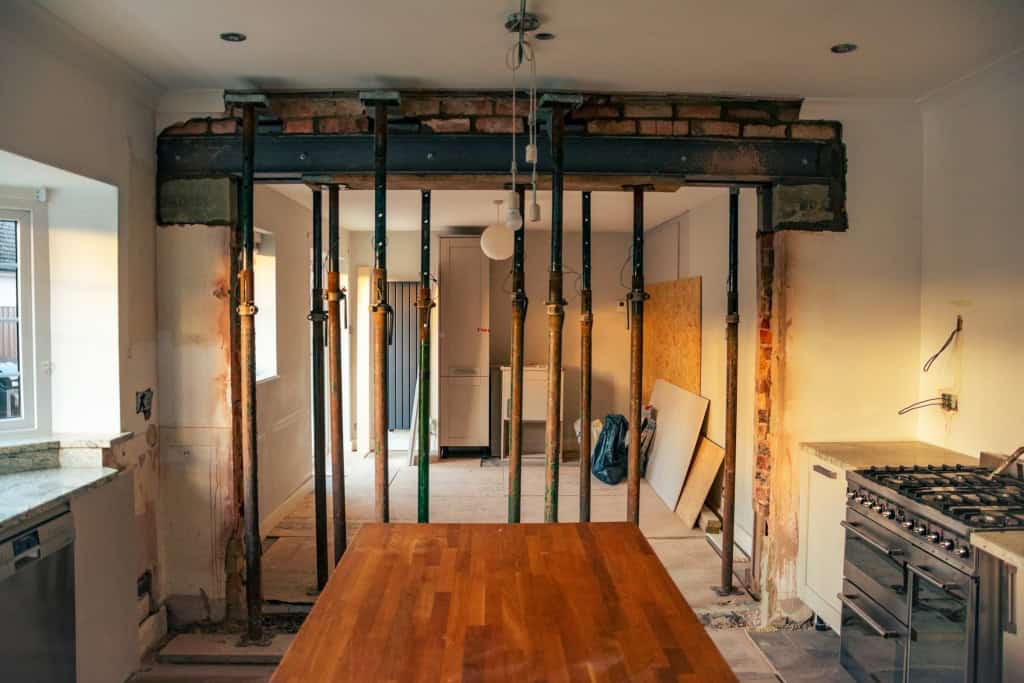
In today’s more balanced market, the inspection contingency is where deals are most likely to get tested. A few years ago, buyers were waiving contingencies just to compete. Today, they have more options and a lot less tolerance for risk. If a home raises concerns or appears to come with potential repair costs, many buyers will not hesitate to move on. The issues themselves are familiar: roofing, plumbing, electrical, HVAC, termite damage, mold, and foundation concerns. These aren’t cosmetic. To buyers, they represent uncertainty, and uncertainty is what disrupts momentum in a transaction.
In our coastal communities like San Pedro and the Rancho Palos Verdes, inspections tend to be even more detailed. Moisture, drainage, and foundation movement often receive closer scrutiny, given the long-term effects of the coastal environment. Buyers and inspectors understand this, and they’re looking carefully. Sellers that take a proactive approach tend to be in a stronger position.
One strategy worth considering is a pre-listing inspection. This entails bringing in a licensed inspector before going on the market. It’s a practical way to see the home through a buyer’s lens and address issues on your own timeline, rather than reacting under the pressure of escrow. That doesn’t mean fixing everything. A more strategic approach is usually more effective: focus on the items most likely to raise concerns for buyers or lenders, disclose the rest clearly, and price the home accordingly. The goal isn’t to present a perfect home but rather one that buyers feel confident moving forward with. When issues surface unexpectedly during a transaction, negotiations can become complicated quickly. When they’re identified and addressed upfront, the process is typically more straightforward.
Every property is different. What matters in a 1960s home in San Pedro may not carry the same weight in a newer property in Rancho Palos Verdes. Understanding what buyers expect in each market, and what tends to raise flags during inspections, can make a meaningful difference. For sellers, the question isn’t just what to fix. It’s what matters most to today’s buyer and how to position the home accordingly from the start.
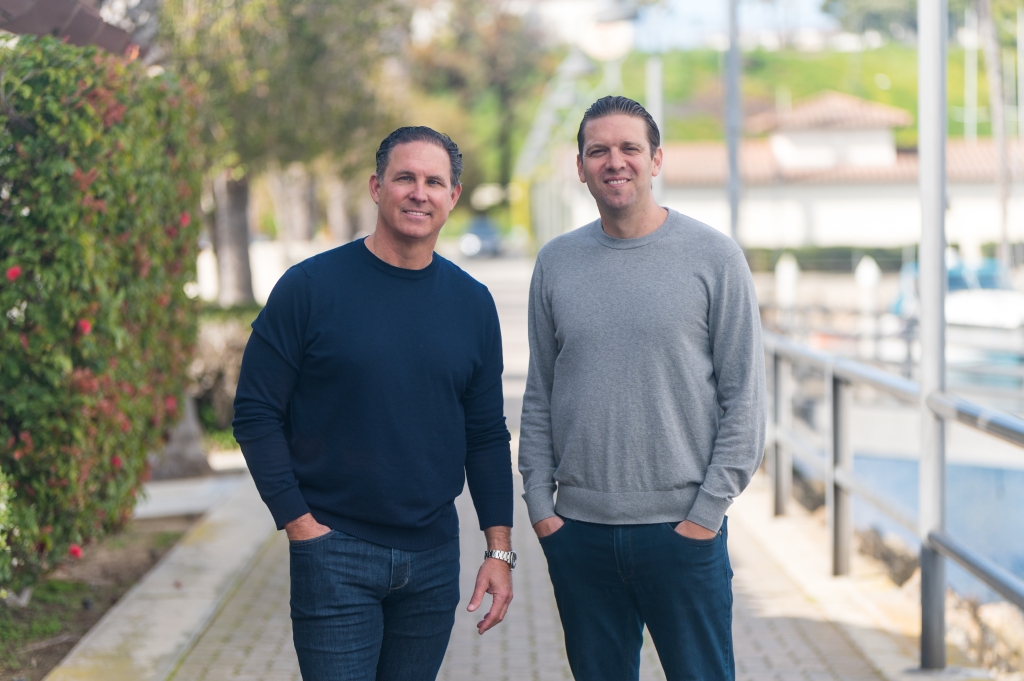
Mike Harper and Peter Hazdovac are co-owners of HH Coastal Real Estate, an independent local brokerage. For more info, visit www.hhcoastal.com.